
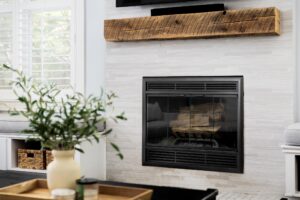
Why Fireplace Safety Matters for Property Owners
Fireplaces are popular features in single-family rental homes, but they present serious fire hazards that landlords and homeowners must understand. The National Fire Protection Association (NFPA) indicates that heating equipment, including fireplaces, causes approximately 22,000 home fires annually nationwide, resulting in hundreds of fatalities and more than $1 billion in property damage. For each property owner, maintaining strong fireplace safety standards is essential to protecting your investment, ensuring resident safety, and minimizing liability risks.
What Causes Fireplace Fires in Homes?
The most common reasons for fireplace-related house fires creosote buildup and chimney blockages. Wood-burning fireplaces generate creosote, a thick, tar-like substance consisting of soot and ash that builds up on chimney walls over time. If cleaning is not performed regularly, creosote becomes very flammable and can ignite at temperatures as low as 451°F, causing chimney fires that can rapidly spread throughout the house.
Chimney blockages also pose significant dangers. Bird nests, leaves, animal debris, or deteriorating masonry can block airflow and cause problems such as:
- Sparks and embers escaping into living areas, igniting carpets, furniture, and curtains.
- Carbon monoxide and toxic fumes backing up into the home, particularly risky with gas fireplaces.
- Reduced fireplace efficiency and increased fire risk.
For landlords, these hazards may result in property damage, liability exposure, and concerns about resident safety. Proactive prevention is essential.
How to Prevent Fireplace Fires: Essential Safety Practices
Use Proper Fuel and Materials
Demonstrating to tenants how to use the fireplace safely is critical. Include precise rules in your lease agreement:
- Wood-burning fireplaces: Only burn well-seasoned hardwood (moisture below 20%). Avoid treated wood, chemical-containing materials, trash, or cardboard.
- Gas fireplaces: Unauthorized objects can produce toxic fumes and cause flare-ups.
- Electric fireplaces: Always follow manufacturer guidelines and prevent obstruction of heating elements.
Using the wrong fuel can cause chimney fires reaching 2000°F, which can crack masonry, melt metal parts, and ignite attic spaces. Such damage is severe and expensive to repair.
Fireplace Safety Equipment and Monitoring Requirements
If you own or manage a property, proper safety equipment is a must. Key items include:
- Fire extinguishers: Install ABC-rated extinguishers within 10 feet of fireplaces and ensure tenants know proper usage.
- Smoke alarms: Place on all levels of the home; test monthly and replace batteries twice per year.
- Carbon monoxide detectors: Required within 15 feet of bedrooms; coordinate battery replacement with smoke alarms.
- Fireplace screens or glass doors: For wood-burning fireplaces to prevent sparks and embers from escaping.
- Operating manuals: Keep copies for tenants and originals in property files.
- Add fireplace safety rules to your lease, such as never leaving fires unattended and always supervising when the fireplace is on.
How Often Should Fireplaces Be Inspected and Cleaned?
Routine professional maintenance is the most reliable defense against fireplace fires. According to the Chimney Safety Institute of America (CSIA) and NFPA:
- Annual inspections: Schedule yearly professional chimney inspections before the heating season, no matter how frequently the fireplace is used.
- Regular cleanings: Wood-burning chimneys should be cleaned after each cord of wood or at minimum annually.
- Gas fireplace servicing: Inspect pilot lights, gas valves, sensors, and venting systems every year.
- Documentation: Keep complete records of inspections, cleanings, and maintenance for liability protection and insurance purposes.
Hiring a CSIA-certified chimney sweep can inspect the chimney, flue, damper, and firebox, spotting creosote buildup and structural hazards before emergencies arise. Landlords who maintain these records show they are taking care of their property while protecting residents.
Provide tenants with written instructions on safe fireplace use, and make sure the lease clearly explains who is responsible for maintenance.
Professional Property Management for Fireplace Safety
Fireplace safety, regular inspections, and tenant training are vital to property management. Property management companies oversee these responsibilities, including:
- Planning and completing annual chimney inspections and cleanings.
- Making certain all safety equipment is present and functional
- Educating tenants and documenting all lease agreements
- Maintaining detailed records for liability protection
- Conducting property inspections to verify compliance with fireplace safety
Protect your single-family rental properties without the hassle— Real Property Management Blue Sky specializes in maximizing your investment returns. Our experienced Land O Lakes property management team ensures fireplace safety and manages all maintenance needs, minimizing your liability. Contact us online or call 813-625-9595 to see how we protect property owners.