

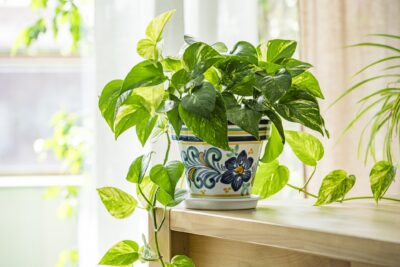
 Houseplants are more than aesthetic touches—they indicate your indoor air quality. Problems such as poor ventilation, dust accumulation, and imbalanced humidity often first affect apartment plant health, before any physical symptoms emerge. Learning how plants respond to indoor conditions can help you identify indoor air quality issues early and take simple steps to improve the health and comfort of your rental home.
How Indoor Air Quality Affects Apartment Plant Health
Maintaining proper indoor air quality is essential for how well plants thrive inside apartments. Besides the right amount of sunlight, high-quality air quality supports strong houseplant health. Elements like limited or recycled airflow and indoor pollutants can stress plants well before humans feel uncomfortable. Plants are continually exchanging air through their leaves, making them highly reactive to changes in their environment and effective indicators of your indoor air quality.
Common Plant Signals Linked to Poor Air Quality
When plants are struggling to thrive, poor indoor air quality could be the cause. Signs such as browning leaves, stunted growth, or leaf drop can reflect airflow issues in your home.
Humidity is critical for plant health and indoor comfort. Air that is too dry can cause houseplant leaves to become crispy, whereas excessive moisture may result in drooping or mold. Many apartments experience humidity swings, making plants a reliable early alert system for indoor air quality.
Poor ventilation can contribute as well. Without proper ventilation, stale air and pollutants can become trapped inside apartment homes. Houseplants far from windows or vents may struggle, indicating uneven indoor airflow. Blocked vents or closed windows can limit oxygen exchange, affecting plant vitality and indoor air quality.
Buildup and pollutants on leaves, including Indoor pollutants from cleaning products or cooking, can stress plants. If your houseplants are struggling, your indoor air may be unhealthy.
Simple Ways Renters Can Improve Indoor Air Quality
Even small routines help when improving your indoor air quality. Here are easy ways to improve the air quality in your home:
- Open windows whenever possible
- Use fans to keep air moving
- Keep furniture away from vents
- Dust household surfaces and plant foliage
These small habits support healthier plants, cleaner air, and a cozier apartment environment.
When Plant Problems Signal a Property Maintenance Issue
When multiple houseplants are showing the same symptoms despite proper care, it may reflect a larger issue with your home’s airflow or air quality. Examples include persistently high indoor humidity or inadequate air circulation, which should be reported immediately. Such issues could be signs that your HVAC system isn’t functioning properly or require other maintenance. Prompt communication with your landlord can avoid long-term damage and improve your living conditions.
Healthier Plants, Healthier Apartment Living
Houseplants do more than decorate—they are natural indicators of the health of your apartment’s environment. Paying attention to apartment plant health can alert you to indoor air quality concerns and help maintain a healthier rental space.
When houseplants are struggling or you suspect poor indoor air, it’s a good moment to call in the experts. Reach out to Real Property Management Blue Sky for help with rentals. We showcase a wide range of quality rental properties in Wesley Chapel. Explore our available rental listings to find your dream home or call 813-625-9595 today!
This content is provided for general informational and educational purposes only and does not constitute financial, legal, tax, or investment advice. Readers should consult with licensed professionals regarding their specific circumstances.
We are pledged to the letter and spirit of U.S. policy for the achievement of equal housing opportunity throughout the Nation. See Equal Housing Opportunity Statement for more information.
